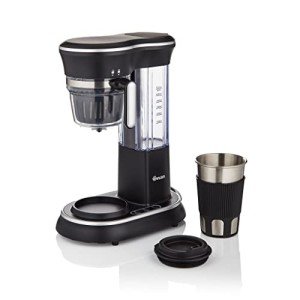
Bean To Cup Espresso Coffee Machine: The Ultimate Guide
Recently, the coffee culture has experienced a considerable improvement, with the increase of home brewing devices offering benefit and quality equivalent to café offerings. Among these devices, the Bean to Cup Espresso Coffee Machine stands out as a favorite among coffee lovers and casual drinkers alike. This detailed guide explores what these machines are, how they function, the benefits they use, and elements to consider when choosing the ideal one.
What is a Bean to Cup Espresso Coffee Machine?
A Bean to Cup Espresso Coffee Machine is an advanced coffee developing device that grinds coffee beans fresh for each cup, automating the whole espresso-making process. These machines normally include built-in grinders, integrated milk frothers, and precise developing technology, allowing users to develop top quality espressos, lattes, cappuccinos, and more, all from the comfort of their homes. The convenience, coupled with the rich and robust flavors produced, has made these machines significantly popular.
How Does It Work?
The standard operation of a Bean to Cup Espresso Coffee Machine can be broken down into several essential steps:
Bean Grinding
- The machine grinds whole coffee beans right away before brewing, guaranteeing optimum freshness and flavor retention.
Developing
- Ground coffee is loaded into a filter, and hot water is required through the coffee grounds at high pressure, which is important for producing espresso.
Frothing (Optional)
- Many models include a steam wand or milk frother for preparing frothed milk for lattes and coffees.
Serving
- The last phase involves dispensing the brewed coffee into a cup, often with programmable features for customization.
Advantages of Bean to Cup Espresso Machines
Purchasing a Bean to Cup Espresso Coffee Machine provides many benefits, adding to its growing appeal.
| Benefit | Description |
|---|---|
| Convenience | One-touch operation reduces the time and effort required to prepare coffee. |
| Quality | Newly ground beans result in a richer, more delicious drink compared to pre-ground alternatives. |
| Modification | Users can change settings to match individual choices, consisting of grind size, coffee strength, and milk froth levels. |
| Affordable | Although the preliminary financial investment might be high, cost savings on coffee buy from cafés can be substantial with time. |
| Adaptability | The capability to brew numerous coffee types, from espresso to cappuccino, broadens the machine's appeal. |
Secret Features to Look For
When choosing a Bean to Cup Espresso Coffee Machine, different features can affect the purchase decision. Below are essential factors to think about:
Grinder Type
- Burr mills are preferred over blade mills for their consistent grind size.
Developing Pressure
- Look for machines that offer at least 15 bars of pressure for optimum espresso extraction.
Milk Frother
- Pick in between manual steam wands or automatic milk frothers based upon preferences for milk texture and foam.
Interface
- An easy to use control panel with programmable settings improves the total experience.
Size and Design
- Consider the counter top space offered and select a style that complements your cooking area aesthetic appeals.
Upkeep Options
- Some machines offer automatic cleaning cycles, which can conserve effort and time in upkeep.
Popular Bean to Cup Espresso Machines
Selecting a machine that fits one's requirements can be difficult. Below is a list of popular designs, known for their dependability and performance.
| Model | Secret Features | Price Range |
|---|---|---|
| De'Longhi Magnifica ESAM3300 | Adjustable coffee strength, compact style | ₤ 550 - ₤ 700 |
| Breville Barista Touch | Touchscreen controls, integrated cone-shaped burr grinder | ₤ 800 - ₤ 1,150 |
| Saeco PicoBaristo | Automatic milk frother, 12 coffee specialties | ₤ 900 - ₤ 1,300 |
| Jura E8 | Pulse Extraction Process, Alexa Compatible | ₤ 1,800 - ₤ 2,500 |
| Gaggia Anima | Easy to clean up, programmable settings | ₤ 500 - ₤ 800 |
Maintenance Tips
Keeping a Bean to Cup Espresso Coffee Machine in good condition is important for guaranteeing durability and optimal performance. Here are some upkeep pointers:
- Regular Cleaning: Clean the machine's parts regularly, consisting of the drip tray, coffee grounds container, and water tank.
- Descaling: Perform descaling every couple of months based upon water firmness and use to avoid mineral accumulation.
- Change Water Filter: If the machine has a water purification system, alter the filter as advised.
- Examine Seals and Gaskets: Check for wear and tear to prevent leaks and guarantee appropriate pressure throughout developing.
Frequently asked questions
1. Are Bean to Cup Espresso Machines easy to use?Yes, most designs are created for user convenience with basic control panels and one-touch operation. 2. Can I use pre-ground coffee in these machines?While Bean To Cup Automatic Coffee Machine permit for making use of pre-ground coffee, the main benefit depends on using whole beans for fresh grinding. 3. How typically must I clean my Bean to Cup machine?Regular upkeep is essential; daily cleansing of removable parts and descaling every 2-3 months are typically advised. 4. What is the average
lifespan of a Bean to Cup Espresso Coffee Machine?With proper maintenance, these machines can last anywhere from 5 to 15 years based upon use quality
. 5. Are these machines worth the investment?Though Coffee Bean Machine can be expensive, the convenience, quality coffee production, and long-term savings make them a deserving investment for numerous coffee enthusiasts. Buying a Bean to Cup
Espresso Coffee Machine can considerably improve the home
coffee experience. By providing newly brewed, high-quality coffee, these machines accommodate the growing demand for café-style beverages in the comfort of one's cooking area. With various choices on the market, understanding features and personal choices will assist in selecting the best machine to match any coffee enthusiast's needs.